
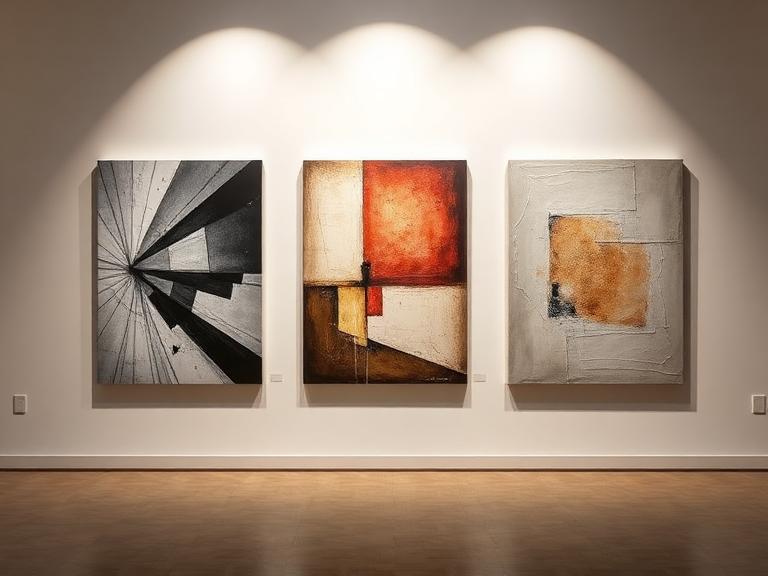
Digital Art Presentation
Sublimating Your Digital Masterpiece: A Technical Guide to Choosing the Perfect Print Medium
As a digital artist, you pour countless hours into perfecting every pixel, every brushstroke, and every color gradient. But the creative journey doesn’t end on your screen. The true test of your creation’s impact comes when it’s transformed into a physical piece of art. For many collectors and clients, choosing the right material to print your work on is a challenging decision, often overshadowed by a desire to simply “have the picture.” This is where your expertise is crucial.
The medium you choose doesn’t just display your art; it interprets it. It can enhance depth, manipulate light, inject warmth, or emphasize sleek modernity. This article serves as your technical guide to understanding how three premier printing materials—Alu-Dibond, Plexiglass, and Canvas—will profoundly impact the final visual statement of your digital art. Arm yourself with this knowledge to guide your clients toward a selection that doesn’t just show your art, but *sublimates* it.
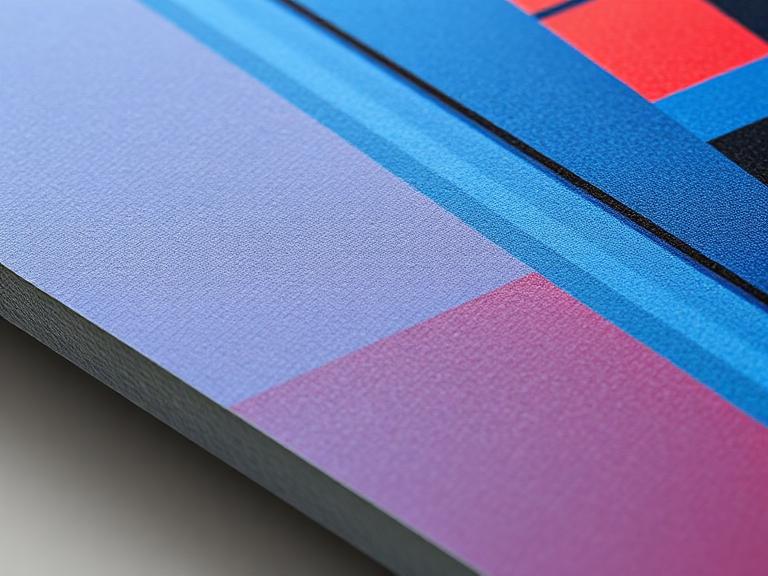
Alu-Dibond: For Sleek, No-Nonsense Modernism
If your digital style leans towards clean lines, high technical precision, or industrial aesthetics, Alu-Dibond is a formidable choice. This rigid, composite material—consisting of two aluminium layers sandwiching a polyethylene core—offers a level of stability and flatness that is unparalleled. The defining characteristic for artists is its *non-reflective, matte finish*.
For digital artwork with complex textures, intricate geometric patterns, or fine details that must be sharp and legible, Alu-Dibond ensures every element is presented without the distraction of glare. This makes it ideal for spaces with challenging lighting, such as large windows or bright, direct gallery spots. The colors remain true, saturated, and consistently deep, achieving a sophisticated, “museum-quality contemporary art” presentation that commands attention through sheer clarity and material integrity. It is the choice for art that speaks directly, without interference.
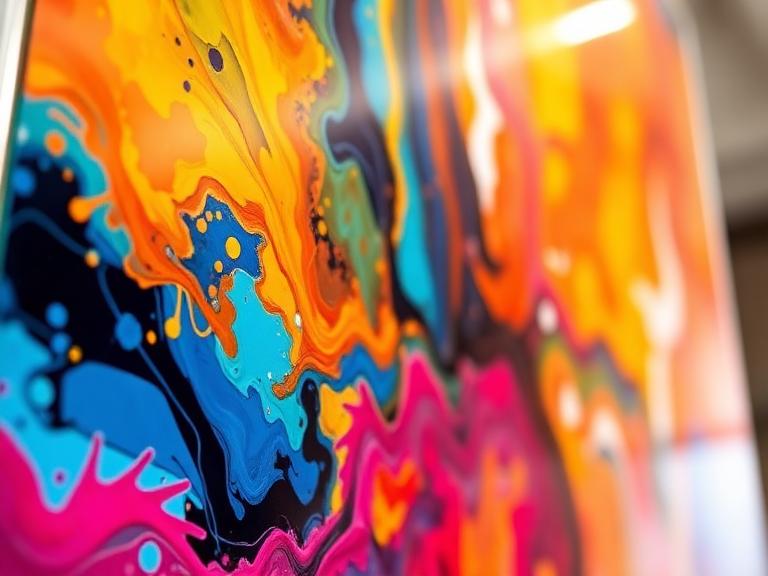
Plexiglass (Acrylic): For Depth, Vibration, and Luxury
When your digital art is all about immersive experiences, vibrant color play, and high contrast, Plexiglass (also known as acrylic glass) is your most powerful ally. This medium doesn’t just show your work; it *engages* it with light. By printing your image either directly onto the back of the acrylic or face-mounting a fine art print to it, light is refracted *within* the material itself.
This internal light play creates a sensational effect of depth, often described as a “3D” or “floating” quality. Colors become significantly more luminous, blacks appear richer, and contrast is dramatically enhanced. Digital creations featuring high-saturation palettes, dynamic light trails, or glossy digital painting techniques are transformed into glowing, luxurious objects. Plexiglass is the choice when you want your artwork to feel expensive, high-definition, and positively radiate with energy. It transforms a print into an experience.
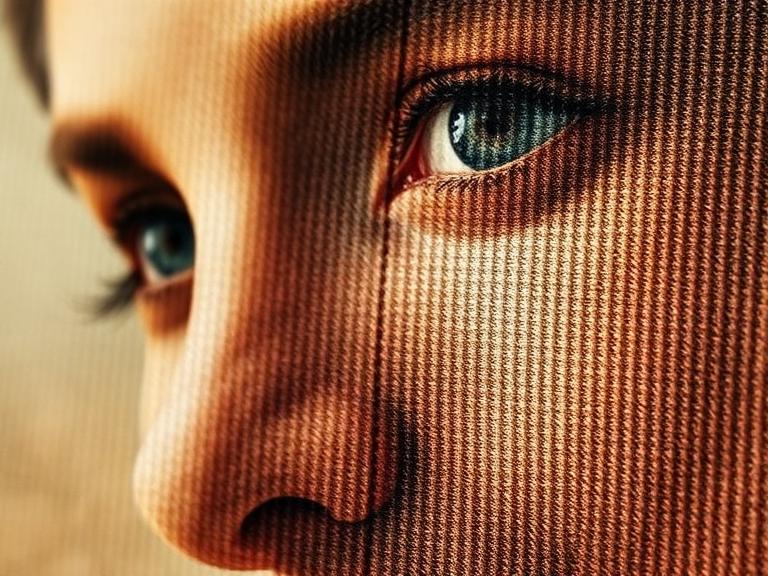
Canvas: For Tradition, Warmth, and Cocooning
In an era of screens and perfect smoothness, many collectors still crave the palpable texture and traditional feel of a painted masterpiece. Canvas bridges this gap beautifully. This medium, typically a woven fabric of cotton or polyester, brings an inherent warmth and texture to digital artwork. When you print on canvas, your art takes on a softer, more organic character.
Digital paintings that utilize brushstroke emulations, impasto effects, or subtle texture overlays find their natural home on canvas. The fine weave absorbs light rather than refracting it, offering a matte presentation with a soft, inviting feel. It is the perfect choice for creating a “cocooning” or bohemian atmosphere, making large-scale art feel less intimidating and more integrated into a cozy home environment. Canvas says, “This is art with a human soul,” ideal for works that celebrate artistry over technical perfection.
Expert Comparison: Choosing the Right Ally for Your Digital Vision
Use this comprehensive table as your cheat sheet and guide for recommending the perfect medium to your clients, ensuring their vision matches the material’s strengths.
| Criterion | Alu-Dibond | Plexiglass (Acrylic) | Canvas |
|---|---|---|---|
| Visual Effect | Sleek, Matte, Ultra-Flat, Contemporary Gallery | Luminous, High Depth, Vibrant Colors, 3D Effect, Glossy Luxury | Textured, Soft, Traditional Painting Aesthetic, Warm, Cocooning |
| Light Management | Anti-Glare, Ideal for Bright Rooms/Direct Light | Enhances Light Play, Glossy Surface (some glare), Ideal for Dynamic Lighting | Light-Absorbing Texture, Soft Look, Ideal for Cozy/Traditional Spaces |
| Recommended Art Styles | Graphic, Geometric, Architectural, High-Detail, Digital Sculpture | Abstract Color Fields, High-Contrast Digital Art, Light Art, Pop Art | Digital Oil Painting, Impressionistic Styles, Textured Concept Art, Portraiture |
| Durability & Maintenance | Excellent, Rigid, Easy to Clean with Matte Spray | High, Scratch-Resistant Options Available, Requires Special Acrylic Cleaner | Moderate, Susceptible to Dust/Moisture, Gentle Dry Dusting |
| Relative Price | $$ – Premium but accessible | $$$ – The luxury standard | $ – The most traditional & affordable premium option |
Armed with this technical overview, you can now confidently discuss materiality with your clients, transforming a printing transaction into a powerful continuation of your artistic process. By guiding them to the medium that best amplifies your vision, you ensure your digital work doesn’t just hang on a wall—it truly thrives there.




